
Polishing is a final refining stage used to improve product clarity, color, purity, and overall quality in starch sugars, liquid sweeteners, polyols, organic acids, and fermentation-derived products. Our integrated polishing solutions combine adsorption and ion exchange technologies to remove residual impurities remaining after primary purification and demineralization.
Polishing Principles & Treatment Technologies
Polishing systems are designed by combining different purification media according to the characteristics of the feed stream and the required product quality.
Turnkey Polishing Stages
-
Feed Conditioning & Pre-Treatment
Filtration, temperature adjustment, and feed conditioning to protect polishing media and ensure stable operation.
-
Decolorization & Adsorption
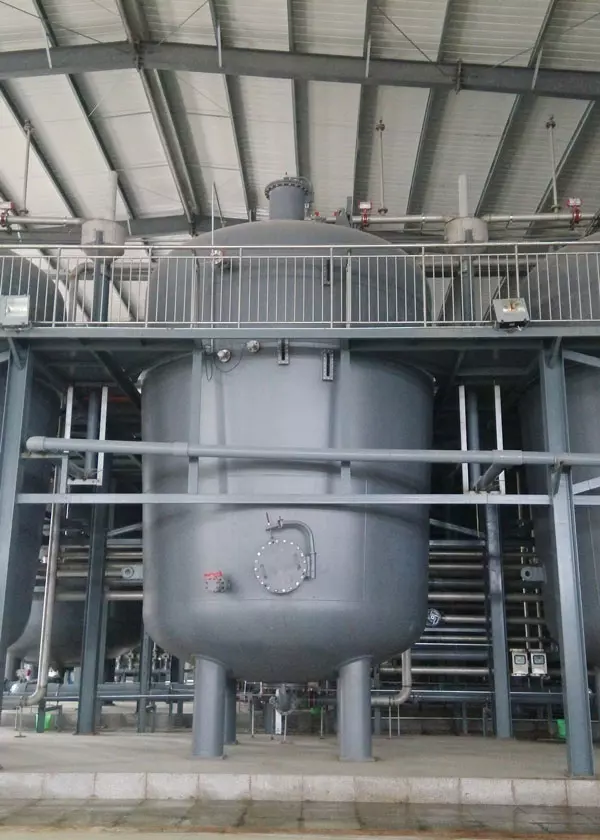
Adsorption columns and activated carbon systems designed to reduce residual color bodies and selected organic impurities.
-
Fine Ion Exchange & Polishing
Cation, anion, or mixed-bed ion exchange systems for the removal of residual salts and trace ionic impurities after primary demineralization.
-
Media Cleaning & Regeneration
Automated cleaning, regeneration, and rinsing sequences designed to maintain treatment capacity and consistent process performance.
-
Final Filtration & Product Protection
Fine filtration and sanitary process equipment to protect the polished product and provide reliable transfer to downstream concentration or storage systems.
Engineering & Automation
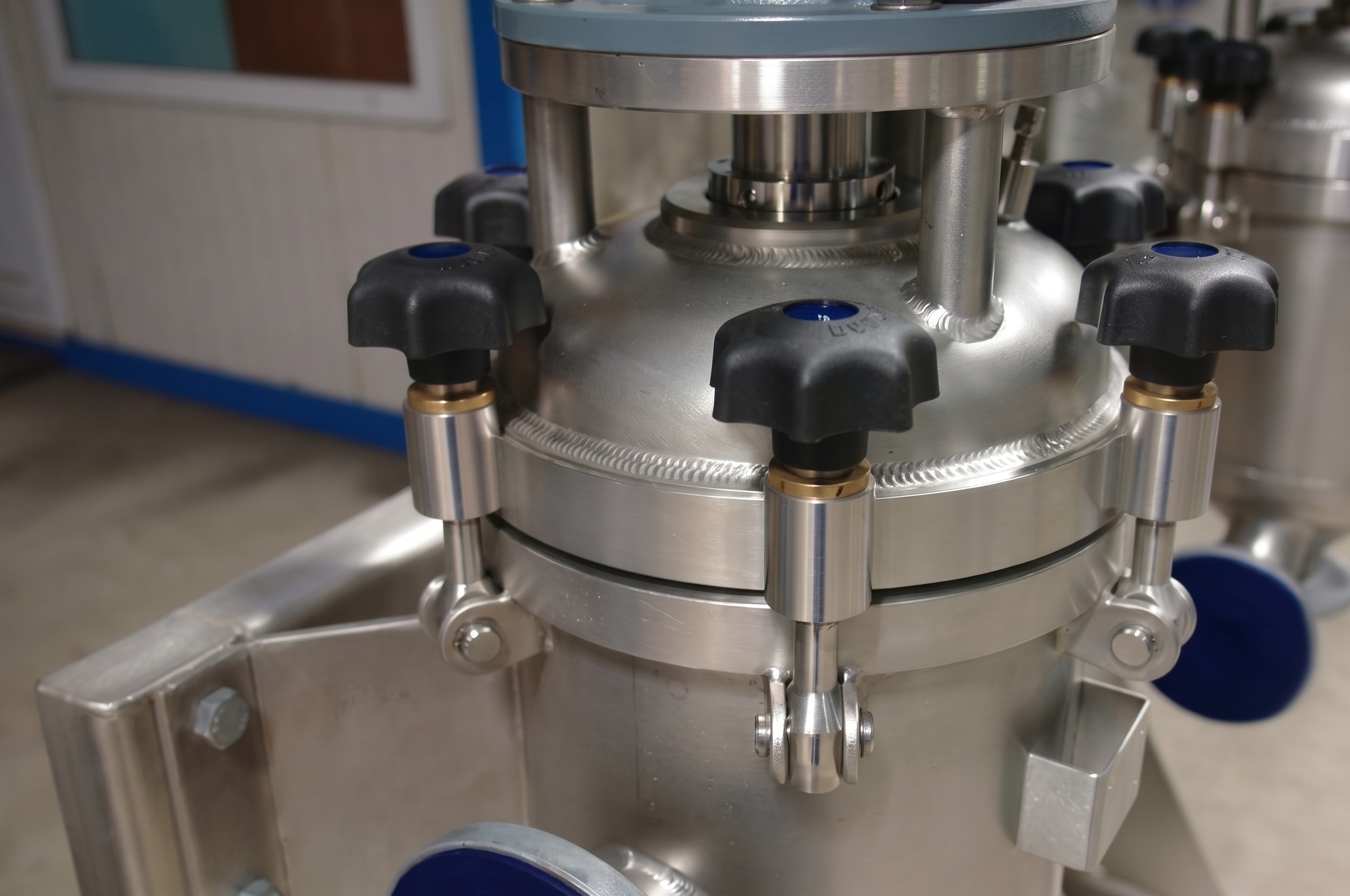
Complete polishing lines can be engineered in sanitary stainless steel and integrated with PLC/SCADA automation, online conductivity monitoring, flow and pressure control, automated valve sequences, cleaning systems, and process data management.
Our solutions are designed for reliable operation, efficient media utilization, controlled regeneration, and consistent final product quality.
Applications
Polishing systems are suitable for high-purity glucose and fructose syrups, HFCS, sorbitol and maltitol solutions, liquid sweeteners, organic acids, fermentation-derived products, and other high-purity carbohydrate and biochemical streams.
From process design to commissioning, each polishing solution can be tailored to feed characteristics, required purification performance, production capacity, and final product specifications.