
Sustainable Bioethanol & Biofuel Technology
Bioethanol is a renewable liquid fuel produced through the fermentation of fermentable sugars derived from starch-rich feedstocks such as corn and wheat, as well as sugar-based feedstocks including molasses and sugarcane. Bioethanol is widely used as a gasoline blending component and as a high-purity raw material for industrial and pharmaceutical applications.
Our turnkey plant solutions are designed to optimize energy integration, water consumption, ethanol recovery, and overall process efficiency while supporting reliable and consistent plant operation.
Fermentation, Distillation & Molecular Sieve Dehydration
Following feedstock preparation and enzymatic conversion, the fermentable mash is subjected to controlled yeast fermentation to produce ethanol and carbon dioxide. Depending on the feedstock and plant configuration, fermented beer typically contains approximately 10–14% ethanol by volume.
The fermented beer is then processed through multi-column distillation systems to separate ethanol from water and non-volatile solids. Distillation produces hydrous ethanol approaching the ethanol-water azeotropic concentration of approximately 95.6% by volume.
For fuel-grade anhydrous ethanol, the hydrous ethanol is further dehydrated using molecular sieve technology. Pressure Swing Adsorption (PSA) systems selectively remove residual water to achieve the required anhydrous ethanol specification, typically ≥99.5% v/v depending on the applicable standard and product requirements.
Plant Infrastructure & Process Equipment
Our bioethanol plants can incorporate:
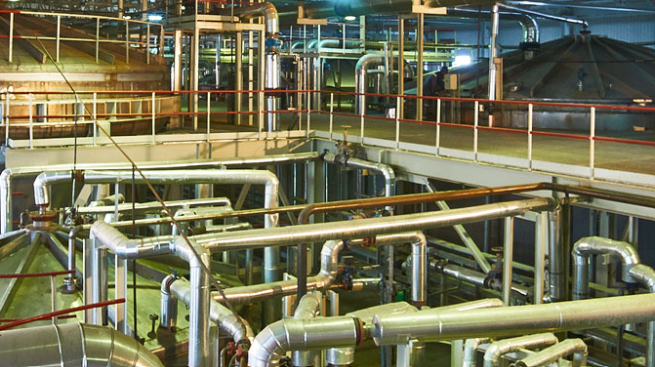
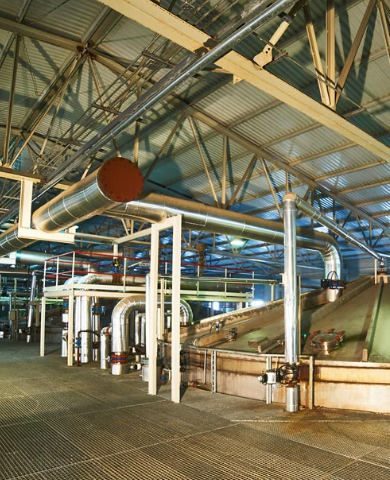
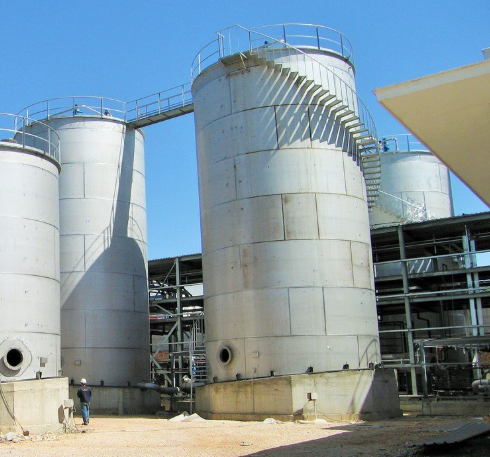
- Feedstock Milling & Slurry Preparation Systems
- Enzymatic Liquefaction & Saccharification Systems
- Yeast Propagation & Fermentation Tanks
- Multi-Column Stainless-Steel Distillation Systems
- Pressure Swing Adsorption (PSA) Molecular Sieve Dehydration Units
- Decanter Centrifuges for Stillage Separation
- Evaporation Systems for Thin Stillage Concentration
- DDGS Drying Systems
- CO₂ Purification & Recovery Systems, Where Applicable
- Corn Oil Recovery Systems, Where Applicable
- PLC / SCADA Automation and Safety Interlock Systems
Bioethanol Production Flowchart
The integrated conversion of starch-rich agricultural feedstock into fuel-grade anhydrous bioethanol:
Feedstock Prep & Liquefaction
Cereal grains such as corn or wheat are cleaned, milled, and mixed with water. Enzymatic liquefaction breaks down starch into shorter-chain carbohydrates.
Saccharification & Fermentation
Enzymatic saccharification converts liquefied starch into fermentable sugars. Selected yeast strains convert these sugars into ethanol and CO₂.
Multi-Column Distillation
The fermented beer is processed through multi-stage distillation columns to recover hydrous ethanol (concentrated to ~95.6% v/v).
Molecular Sieve Dehydration
Hydrous ethanol passes through zeolite molecular sieve systems (PSA) to selectively remove residual water and produce anhydrous fuel ethanol.
Stillage Separation & Concentration
Whole stillage is separated using decanter centrifuges into wet solids and thin stillage. Thin stillage is concentrated using evaporation systems.
DDGS Drying & Denaturation
Wet distillers grains and concentrated solubles are combined and dried to produce DDGS. Fuel ethanol is denatured according to applicable regulations.
Valuable Co-Products & Environmental Integration
Integrated bioethanol plants can recover additional value from fermentation and processing streams:
-
DDGS — Distillers Dried Grains with Solubles:
DDGS is a nutrient-rich animal feed co-product containing protein, fiber, minerals, and residual oil. Its final composition varies according to feedstock, process configuration, and drying conditions.
-
CO₂ Recovery:
Carbon dioxide generated during fermentation can be captured, purified, compressed, and liquefied for applications such as beverage carbonation and dry-ice production, subject to applicable food-grade specifications.
-
Corn Oil Recovery:
In corn-based dry-mill ethanol plants, corn oil can be recovered from processing streams and utilized in animal feed, industrial applications, or biodiesel production depending on product quality and market requirements.
Key Industry Applications
-
Transportation Fuels:
Bioethanol is used as a gasoline blending component and oxygenate. Common blends include E5, E10, and E85, depending on fuel standards, vehicle compatibility, and regional regulations.
-
Industrial Solvents & Chemicals:
High-purity ethanol is widely used as a solvent and process raw material in paints, coatings, inks, adhesives, chemical processing, and other industrial applications.
-
Pharmaceutical & Personal Care:
High-purity ethanol is used in pharmaceutical processing, extraction, sanitizing formulations, personal-care products, and other applications requiring controlled-purity alcohol.
Technical Specifications
Typical specifications for anhydrous fuel-grade bioethanol vary according to the applicable standard, market, and customer requirements.
| Parameter | Typical Specification |
|---|---|
| Ethanol Content | ≥99.5% v/v, depending on applicable standard |
| Water Content | Product / standard specific |
| Appearance | Clear, colorless liquid, free from visible sediment |
| Density at 20°C | Approximately 0.789 g/cm³ |
| Methanol Content | Controlled according to applicable fuel standard |
| Acidity | Controlled according to applicable fuel standard |
Note: Product specifications should be confirmed against the applicable edition of standards such as EN 15376 or ASTM D4806 before publication.
Storage & Distribution Solutions
Bioethanol storage and transfer systems are designed according to applicable hazardous-area, fire-safety, and environmental regulations.
Available systems may include:
- Stainless-Steel or Carbon-Steel Storage Tanks
- Hazardous-Area Rated Instrumentation and Electrical Equipment
- Flame-Arrestor Equipped Loading Systems, Where Required
- Automated Denaturant Dosing & Blending Systems
- Bulk Tanker and Rail Loading Stations
- PLC / SCADA Tank Farm Monitoring Systems